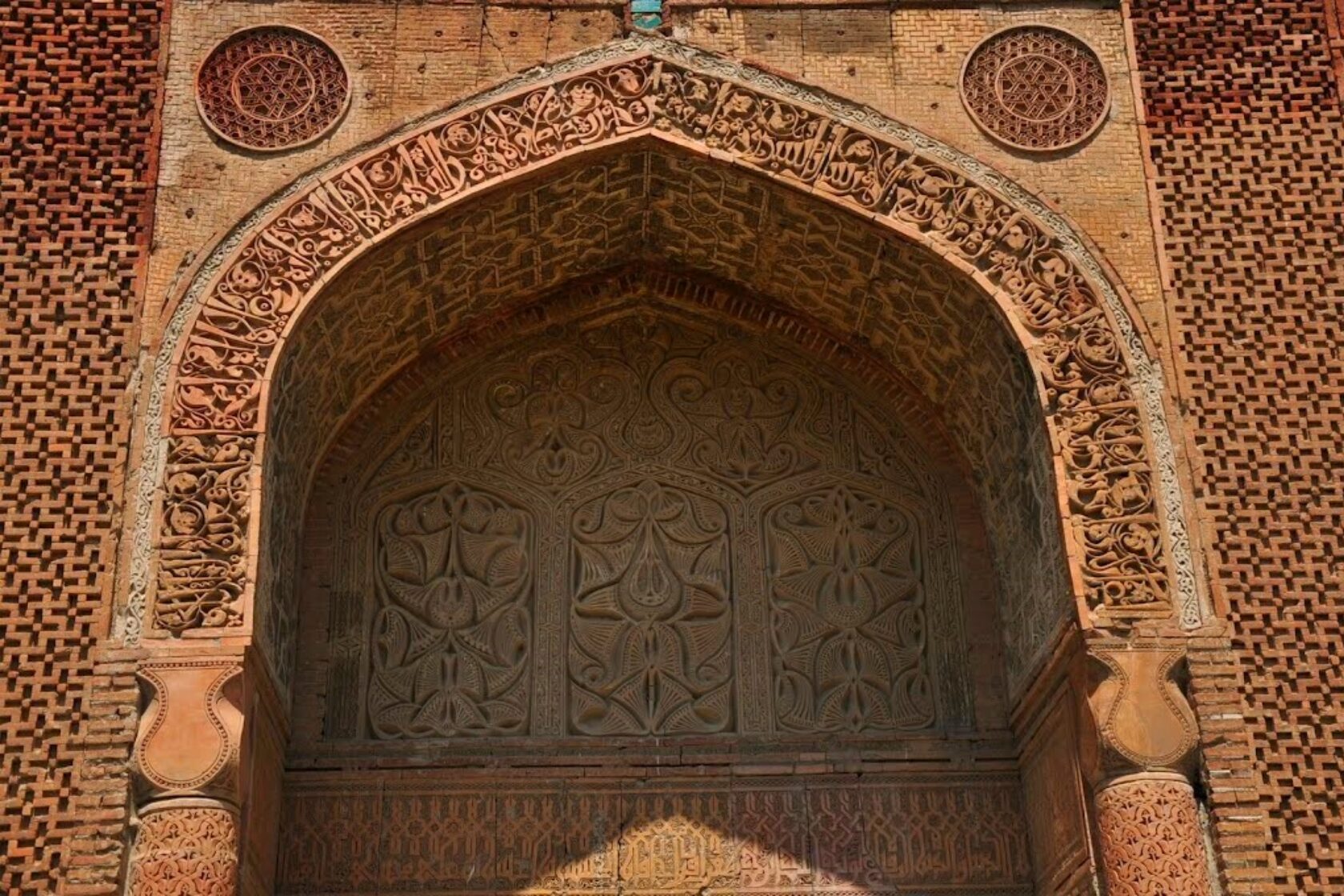
The Karakhanid State (10th–13th centuries) was one of the major Turkic states of Central Asia, leaving a significant mark on the territory of modern Kyrgyzstan. It played a key role in regional history, acting as a bridge between East and West, and became a center of culture, science, and trade along the Silk Road.
Historical Overview
The Karakhanids were a Turkic dynasty that established a state in the 10th century in Eastern Turkestan and Central Asia. Key features of the state:
- dynastic rule of the Karakhanid family
- capitals in cities such as Balasagyn, Uzgen, and Jul
- economy based on trade, crafts, and agriculture
In modern Kyrgyzstan, the Karakhanids left substantial cultural and architectural heritage: fortresses, mausoleums, madrasas, and caravanserais.
Cultural and Architectural Heritage
Notable Karakhanid-era monuments in Kyrgyzstan include:
- Balasagyn — ancient fortified city with archaeological excavations
- Uzgen Architectural Complex — mausoleums and madrasas from the 10th–12th centuries
- Kumbez Manas — historic mausoleum associated with the epic hero Manas
- Shah-Fazil Mausoleum — unique example of religious architecture
These sites reflect the high level of craftsmanship, stonework, and Islamic architectural tradition of the era.
Role in the Silk Road
The Karakhanid state was strategically located on the Silk Road:
- Balasagyn, Jul, and Uzgen were major trade hubs
- caravanserais provided rest and safety for merchants
- craft centers produced textiles, ceramics, and metalwork
Thus, the territory of modern Kyrgyzstan was an integral part of the international trade network.
Historical Significance
The Karakhanids contributed to:
- the spread of Islam in Central Asia
- the development of literature, science, and education
- shaping the political and economic landscape of the region
- cultural exchanges with neighboring states such as Khwarezm, China, and Fergana
Today, Karakhanid heritage is an essential part of Kyrgyzstan’s history and a draw for cultural tourism.
Why Explore the Karakhanid Legacy
- unique architecture and monuments from the 10th–13th centuries
- connection to the Manas epic and Kyrgyz culture
- insight into the Silk Road history
- interest for tourists, historians, and researchers
Tourist routes often include Balasagyn, Uzgen, and other Karakhanid-era monuments, offering an immersive historical experience.